 Fredericia Hub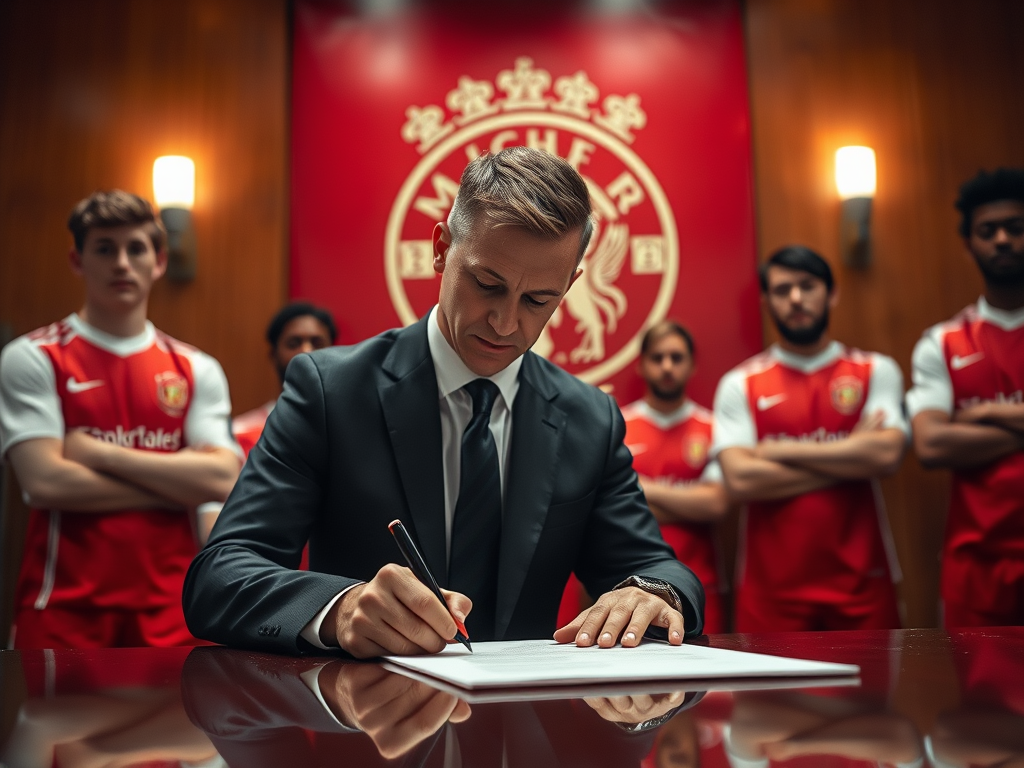
The Sancho Saga: A Case Study in Modern Management
The recent turmoil surrounding Jadon Sancho and Manchester United has reignited conversations about effective management styles in football. Former player John Obi Mikel has weighed in, suggesting that a figure like Sir Alex Ferguson would have approached the situation quite differently. As fans and analysts dissect the fallout, Mikel's insights provide a fascinating glimpse into the evolving dynamics of player management.
Sancho has found himself at the center of controversy following a public fallout with manager Erik ten Hag. The English winger was left out of the matchday squad after a fallout over performance criticisms. While the situation escalated publicly, Mikel argues that Ferguson's era would have favored a more private resolution, emphasizing the importance of maintaining harmony within the team.
Obi Mikel's Observations on Management Styles
Mikel, who famously chose to join Chelsea over Manchester United in 2006, draws on his own experiences in high-pressure environments. He stated, "I think it should have been dealt with privately," highlighting that Ferguson understood how to handle such situations behind closed doors. This method not only preserves players' dignity but also shields the club from unnecessary media scrutiny.
During Ferguson's long tenure at United, he was known for his ability to manage egos and resolve conflicts internally. His approach often resulted in a strong, unified squad that could weather the storms of individual disputes. Mikel’s comments suggest that modern managers could benefit from Ferguson's wisdom.
The Impact of Public Disputes on Team Morale
The fallout between Sancho and ten Hag has raised questions not only about the player's future but also about the impact on team morale. A public spat can create divisions within the squad, as players may feel compelled to take sides. Mikel's assertion that Ferguson would have handled the matter privately underscores the delicate nature of team dynamics.
When disputes are aired in public, it can lead to: - Loss of Trust: Players may begin to doubt the manager's ability to handle issues constructively. - Disruption in Performance: A divided squad can affect overall team performance when personal conflicts spill onto the pitch. - Negative Media Attention: Ongoing public disputes can attract unwanted media scrutiny, distracting from the team's objectives.
These factors highlight the importance of effective communication and conflict resolution in maintaining a cohesive team environment.
Comparing Eras: Ferguson vs. Ten Hag
The contrasting styles of Ferguson and ten Hag offer a study in how management philosophies have evolved over time. Ferguson’s tenure at Old Trafford was marked by his authoritative yet nurturing approach. He was a master of man-management, knowing precisely how to motivate each player without compromising the team's integrity.
In contrast, ten Hag is navigating a different landscape, where social media and public scrutiny can amplify conflicts. The pressure to perform is immense, and the expectations from fans and media often dictate how situations are handled. Ten Hag’s challenges are compounded by a squad still finding its identity following the departures of key players.
What Does This Mean for Manchester United?
The situation with Sancho poses significant questions for the future of Manchester United. With the club striving to reclaim its status among the elite in the Premier League, internal conflicts could hinder progress. The board and coaching staff must weigh the implications of how they manage player grievances going forward.
There’s also an urgent need for Manchester United to address their player management strategy. As Mikel highlighted, a more private approach might mitigate risks associated with public disputes. It’s essential for the club to foster an environment where players feel secure in expressing concerns without fear of public backlash.
Fan Reactions and Outlook
The fallout from the Sancho situation has elicited varied reactions from fans. Some supporters empathize with the player, feeling that he deserves a fair chance to demonstrate his abilities without the added pressure of public scrutiny. Others believe that his performances have warranted the manager's criticism and that he needs to step up.
Key fan sentiments include: - Support for Sancho: Many fans advocate for the player's right to express himself and suggest that he has been unfairly treated. - Call for Strong Management: Others argue that ten Hag must maintain authority and that the team needs discipline to achieve success. - Concern for Club Image: Fans are worried about the negative publicity that could further damage the club's reputation.
This split in opinion highlights the complexity of modern football fandom, where loyalty to players often competes with the desire for managerial authority and club unity.
What's Next for Jadon Sancho and Manchester United?
As the dust settles on the Sancho incident, the next steps for both the player and the club will be crucial. For Sancho, proving his worth on the pitch will be paramount. He'll need to demonstrate resilience and adaptability to win back both the manager's trust and the fans’ support.
For Manchester United, it's essential to reassess their management strategies. Embracing a balanced approach that respects player concerns while maintaining authority could pave the way for a healthier club environment. With upcoming fixtures in the Premier League, the focus will shift back to results on the pitch, where unity and performance will be tested. The implications of the Sancho situation will linger, but how both player and club respond will define their respective futures.